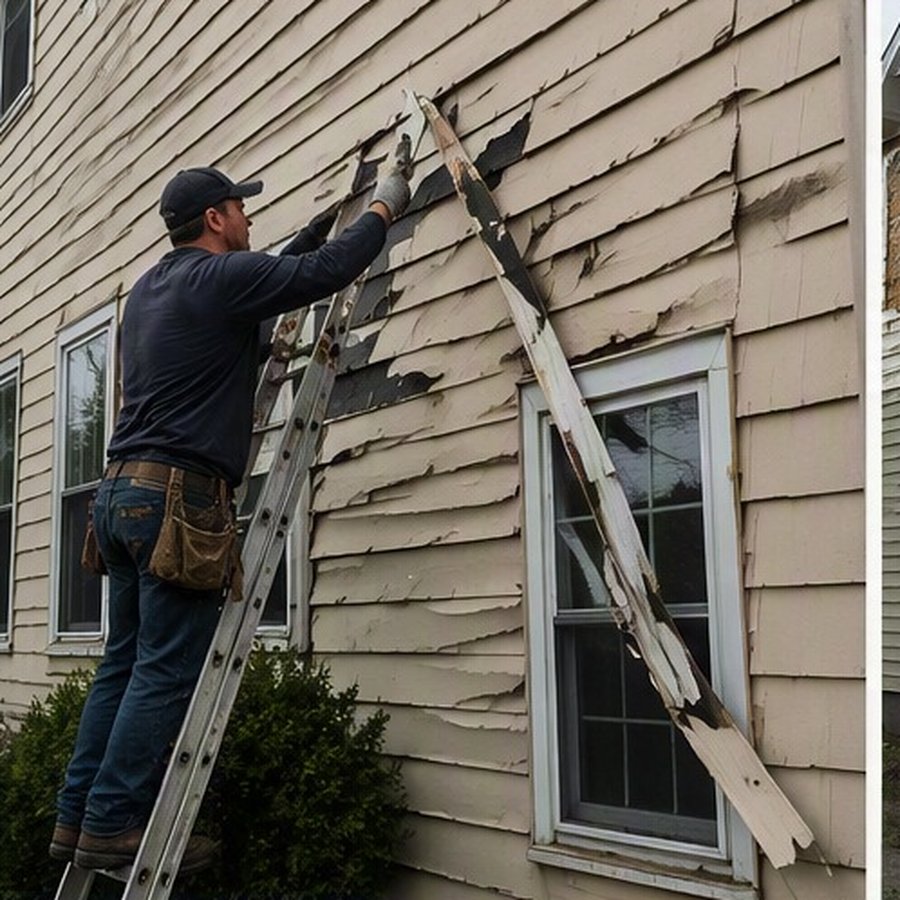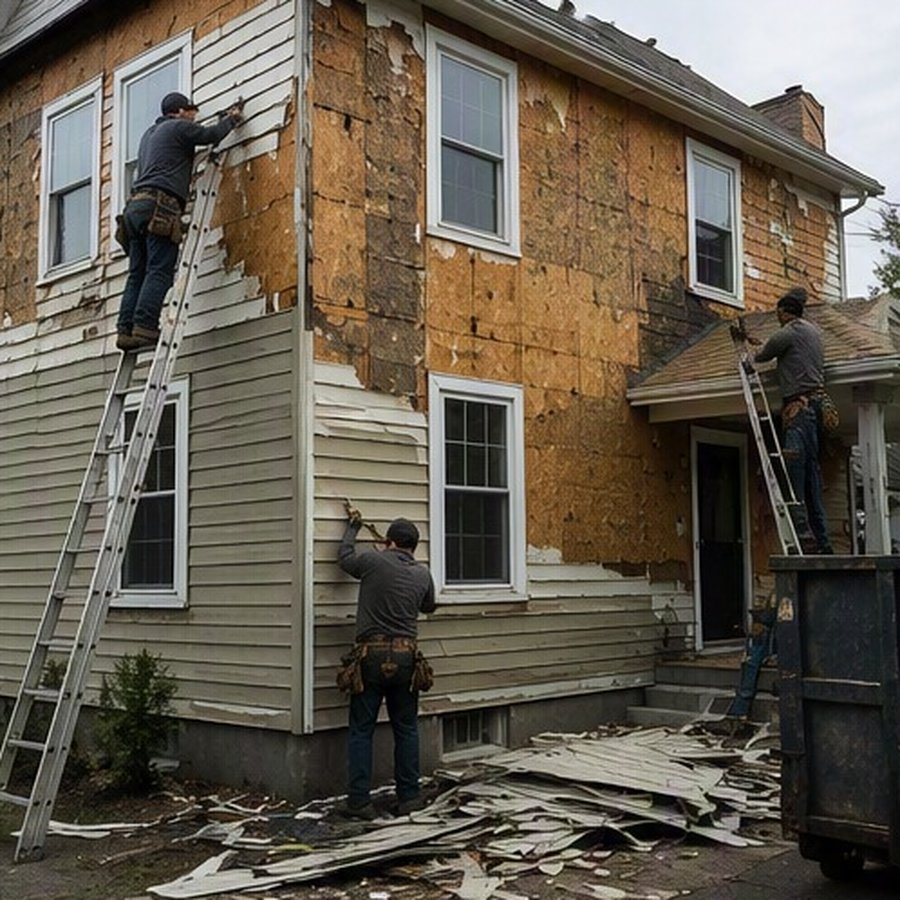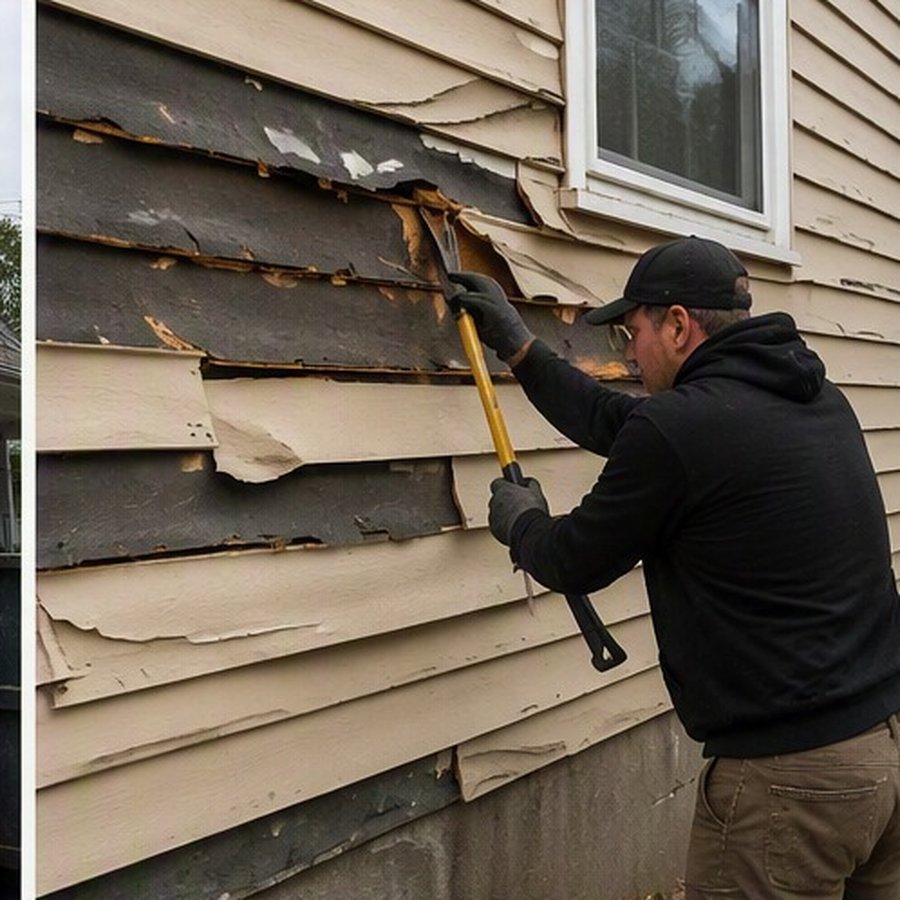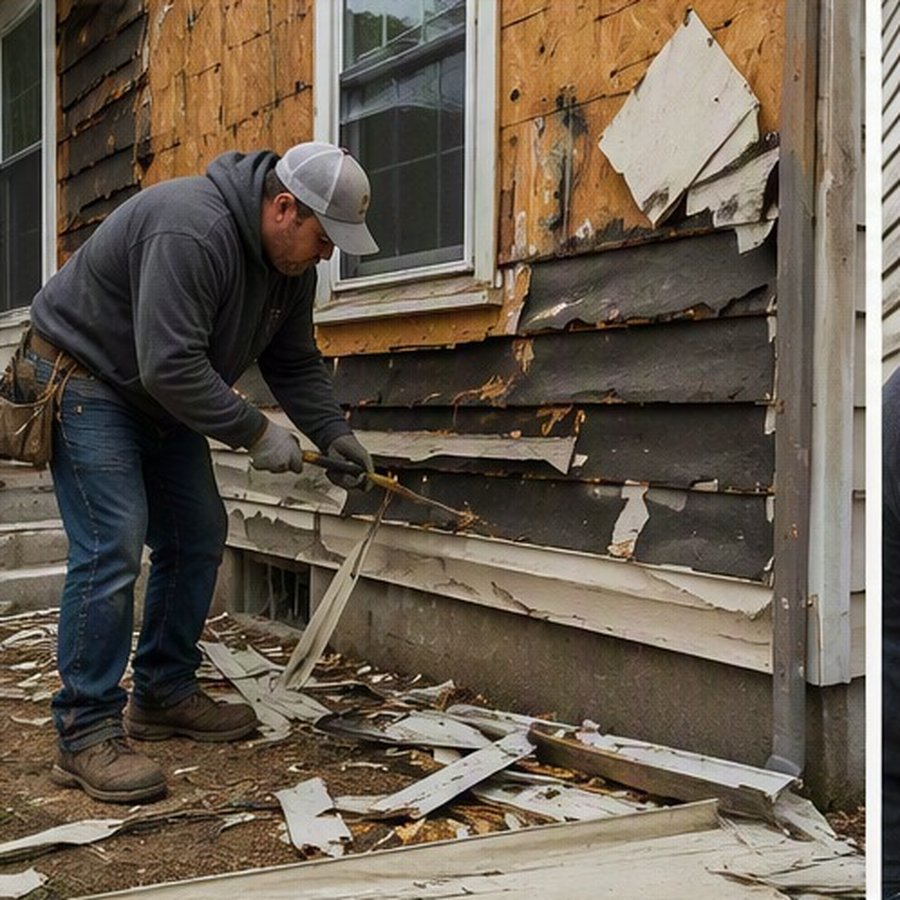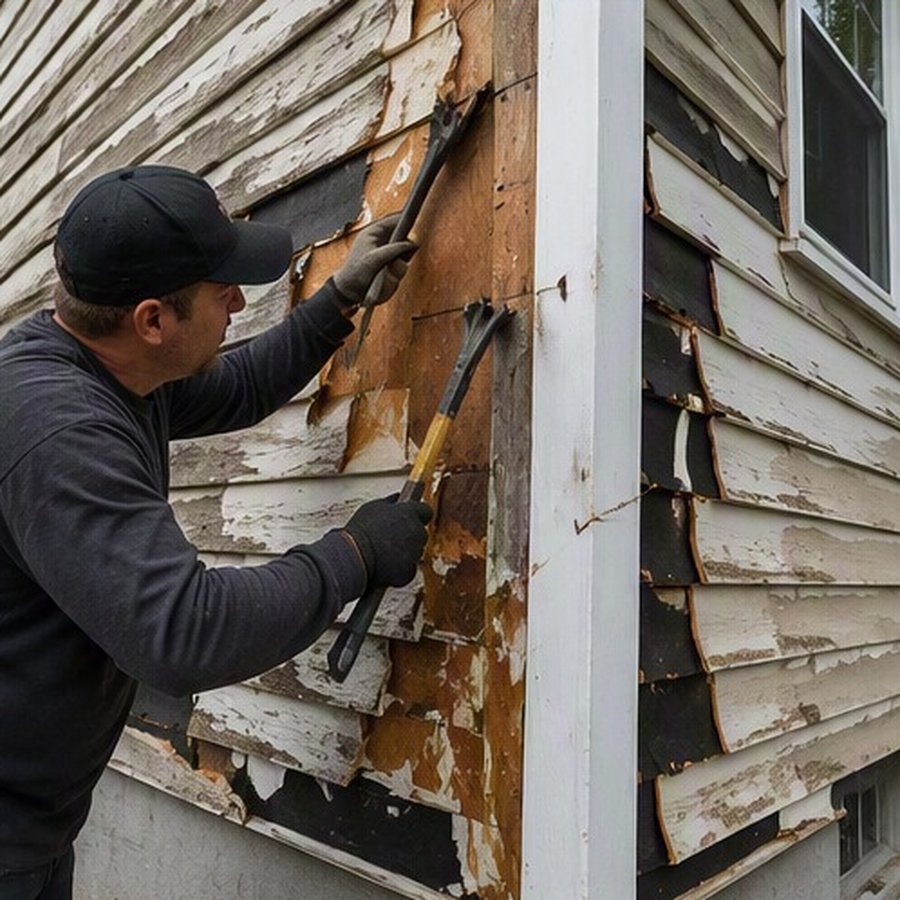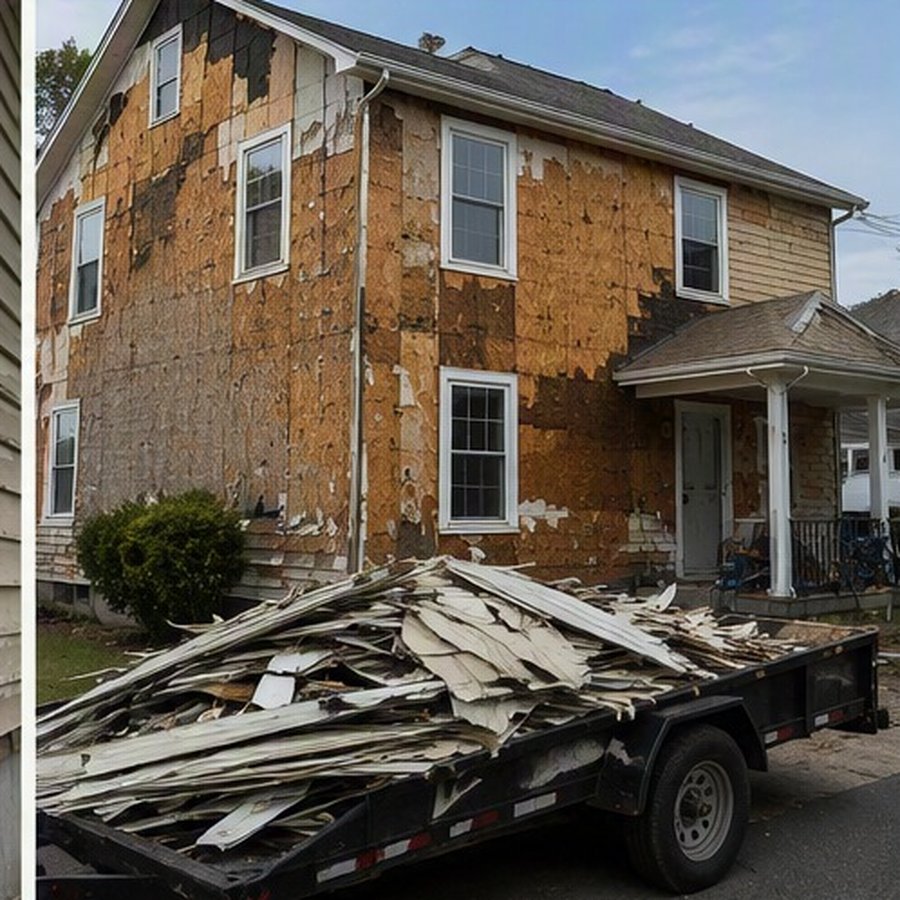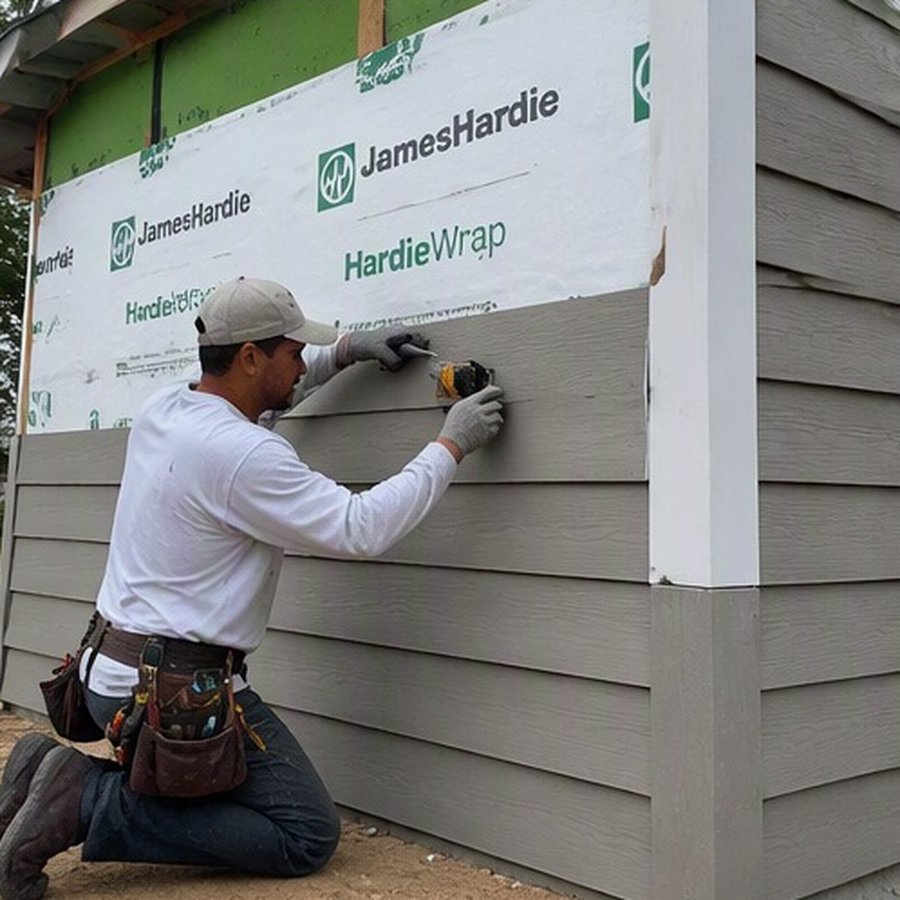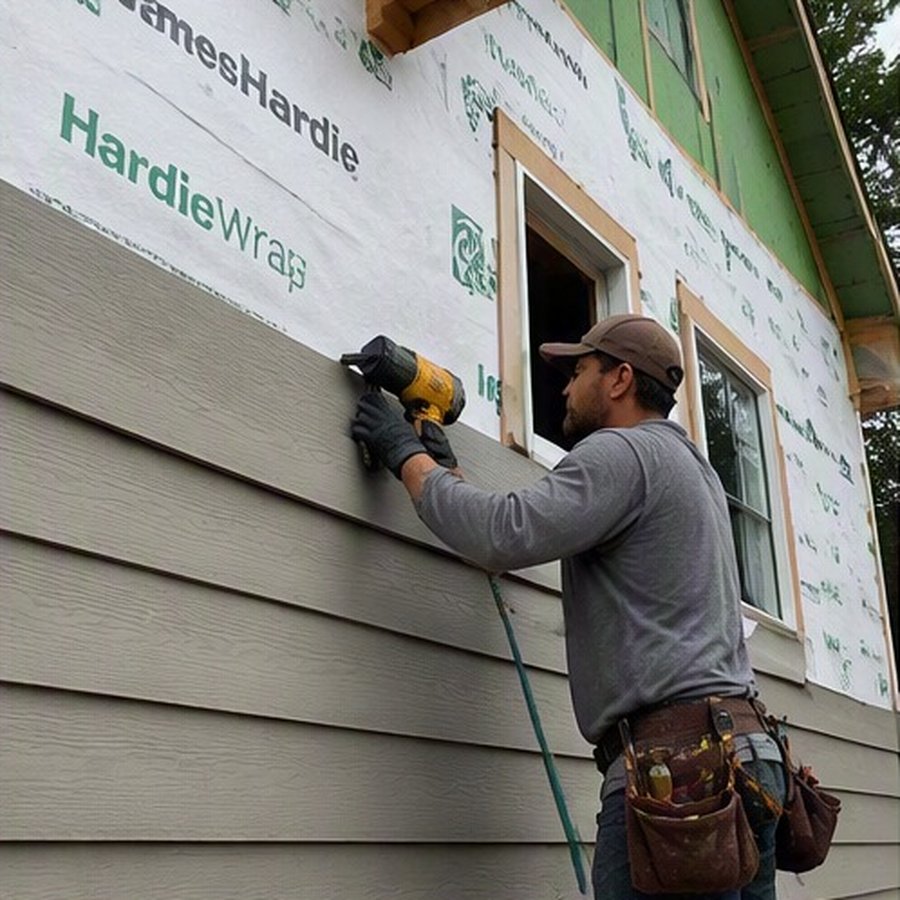
Siding is a rain screen, not a skin, and what keeps your wall dry is everything behind and around it.
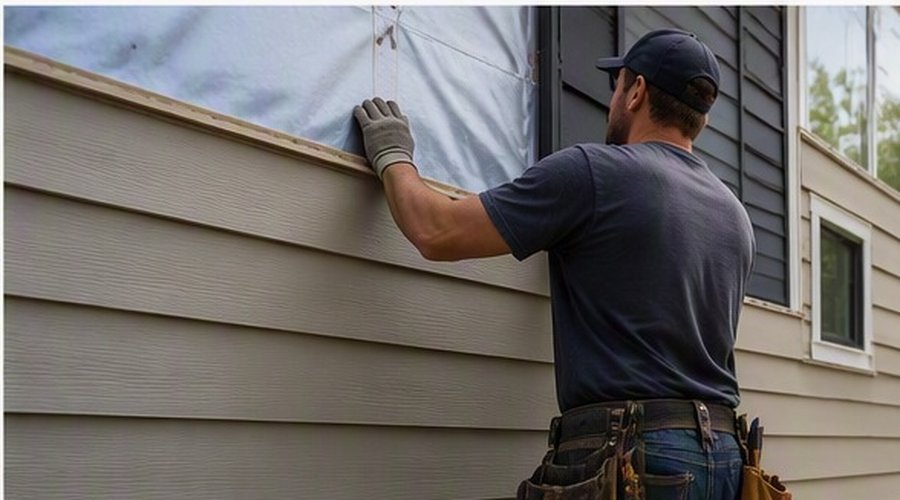
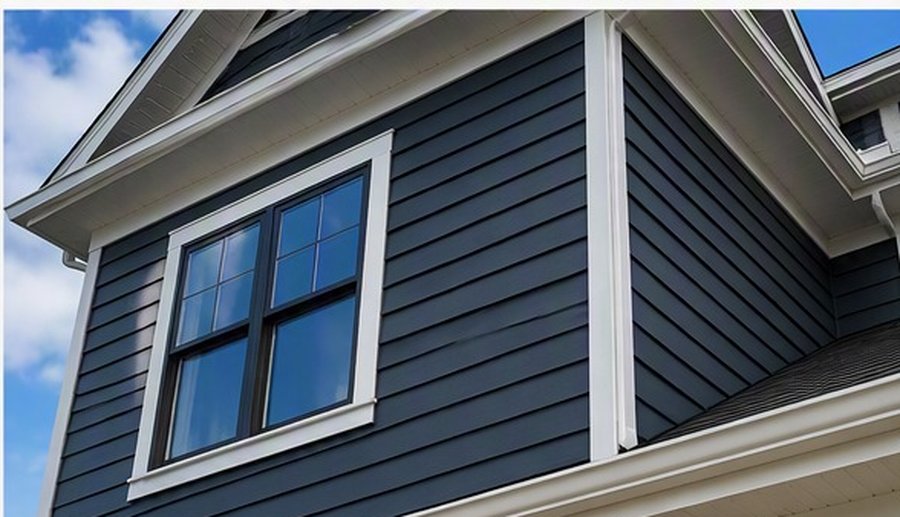
Most siding failures on the houses we get called out to are not the siding at all. They are a missing kick out flashing at a roof to wall joint, house wrap lapped the wrong way, or a window head with no drip cap. Your water management details go in first, and the siding hangs over them.
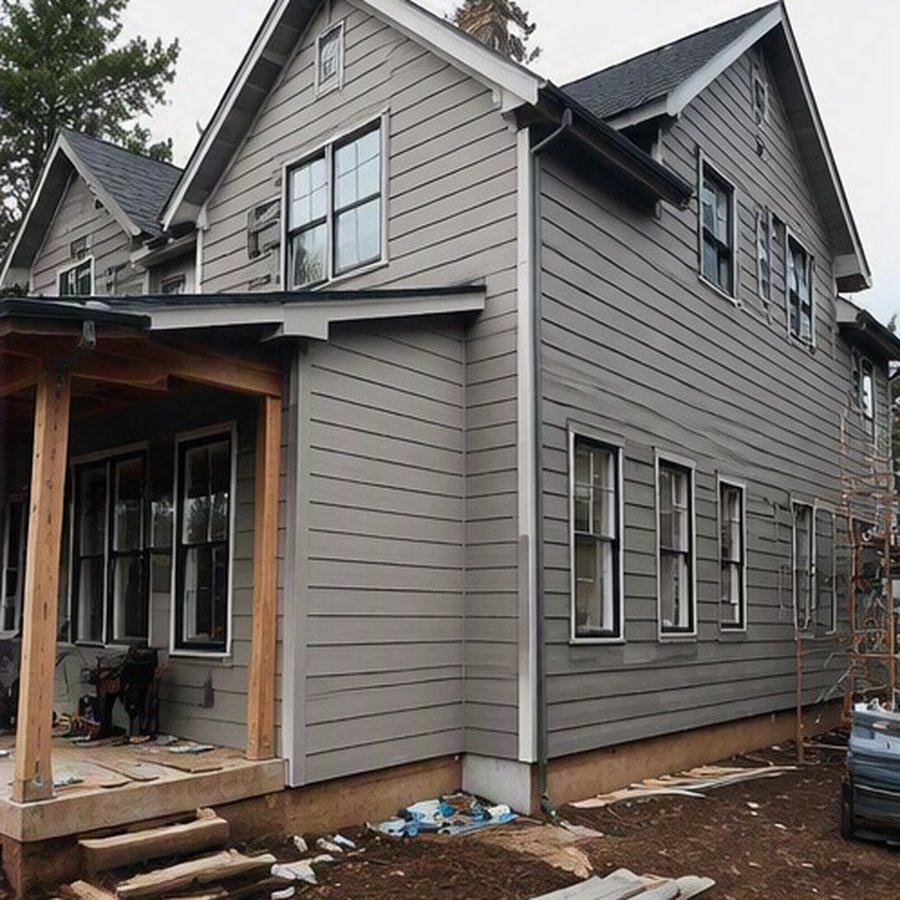
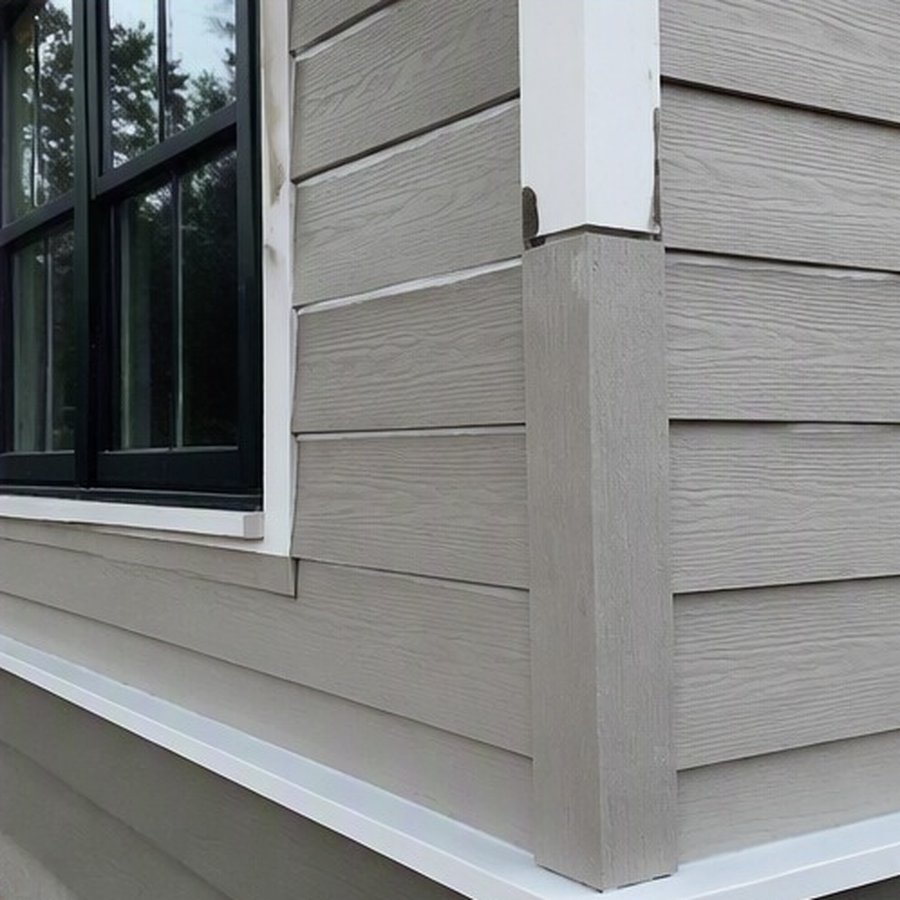
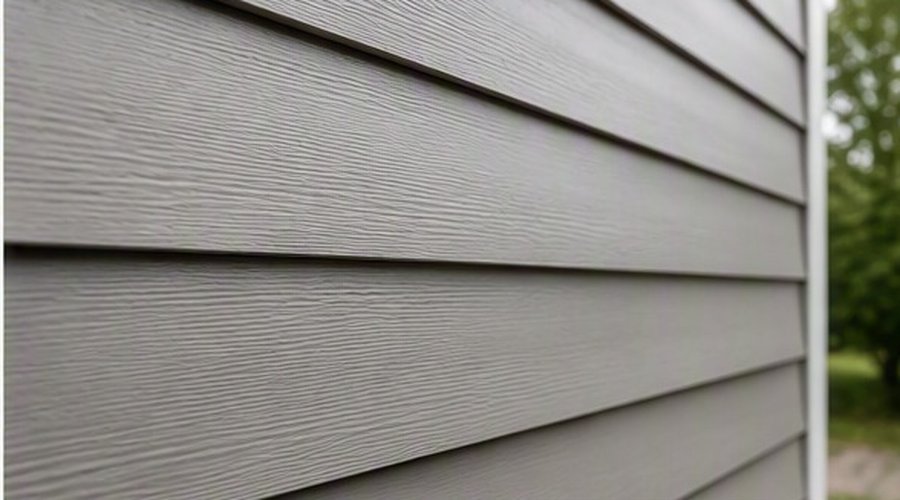
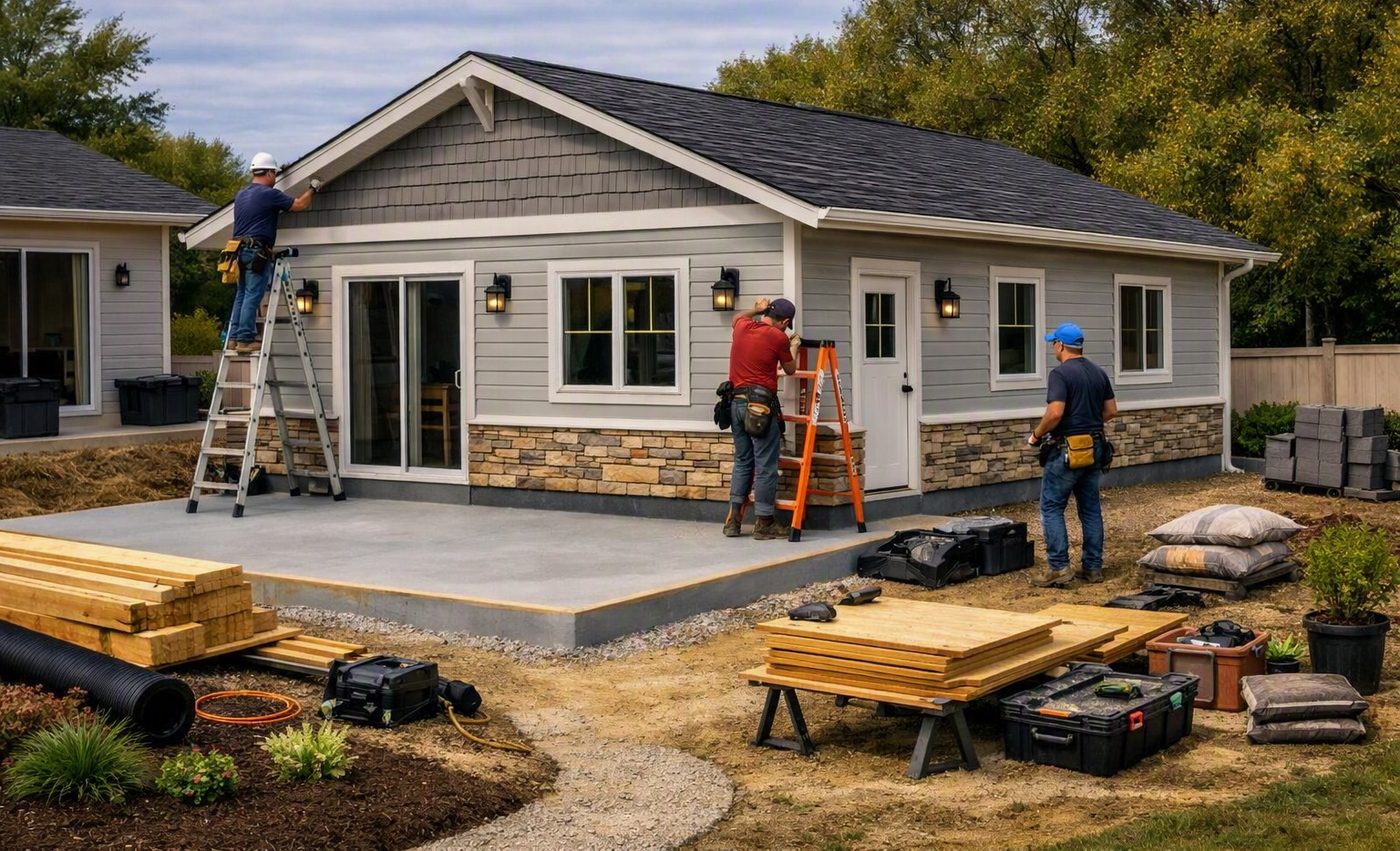
You can go with vinyl or fiber cement. Fiber cement costs more up front and holds paint and shape better over time. Whichever one you pick, the brand, the profile and the exposure are written into your estimate, so you know exactly what is going on your house before anybody orders it.
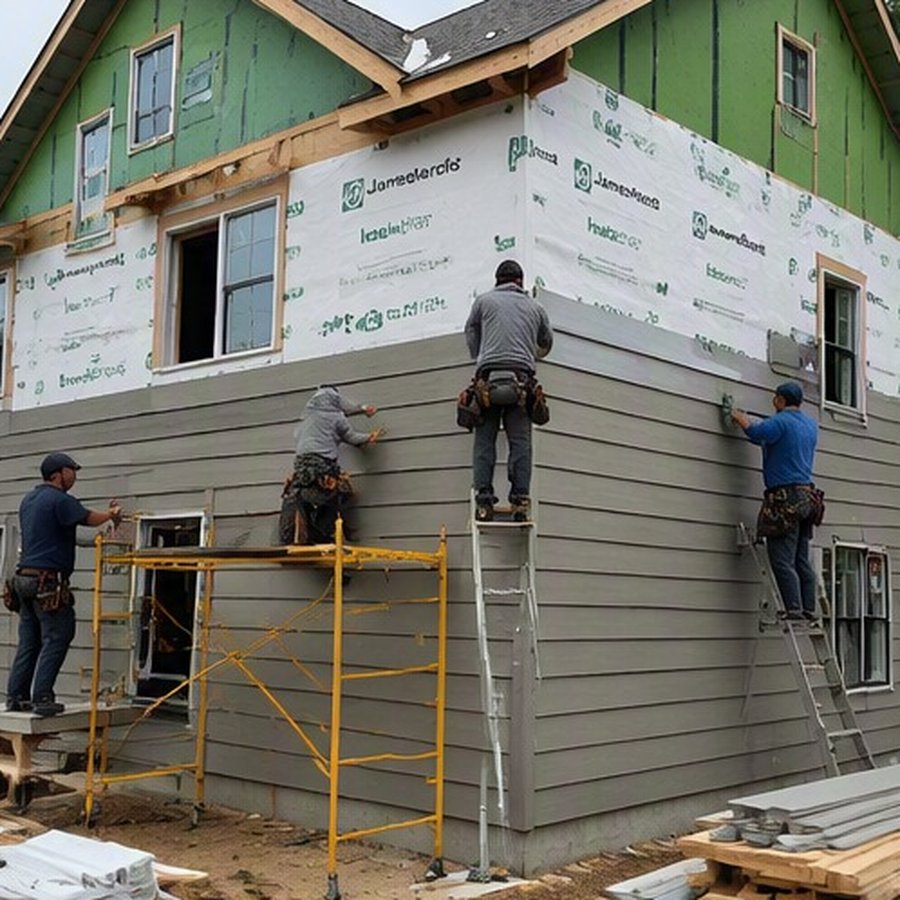
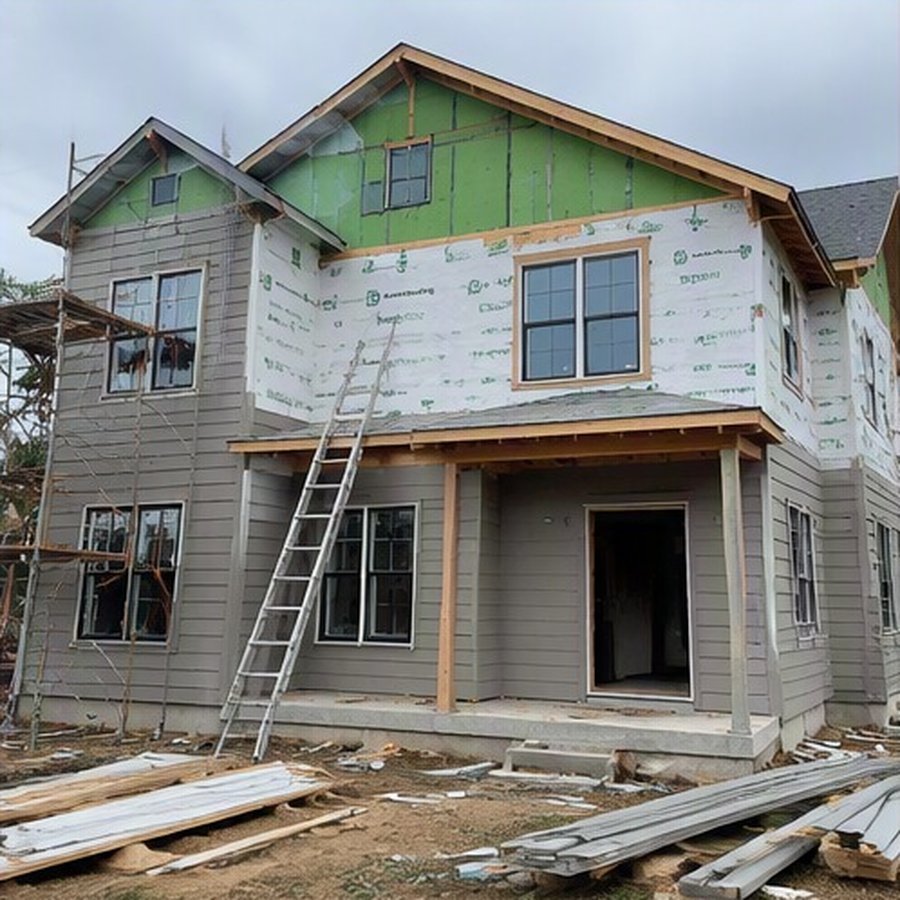
Water gets behind a wall covering. On any house, in any material, some of it finds a way in, so the point is not to keep every drop out. The point is whether that water has a path back down and out. That path is the drainage plane: house wrap lapped so every course sheds over the one below it, seams taped, and a cavity behind the siding for water to run down. Flashing does the rest, kick out at the roof to wall joint, step flashing along the roof line, a drip cap over every window head.
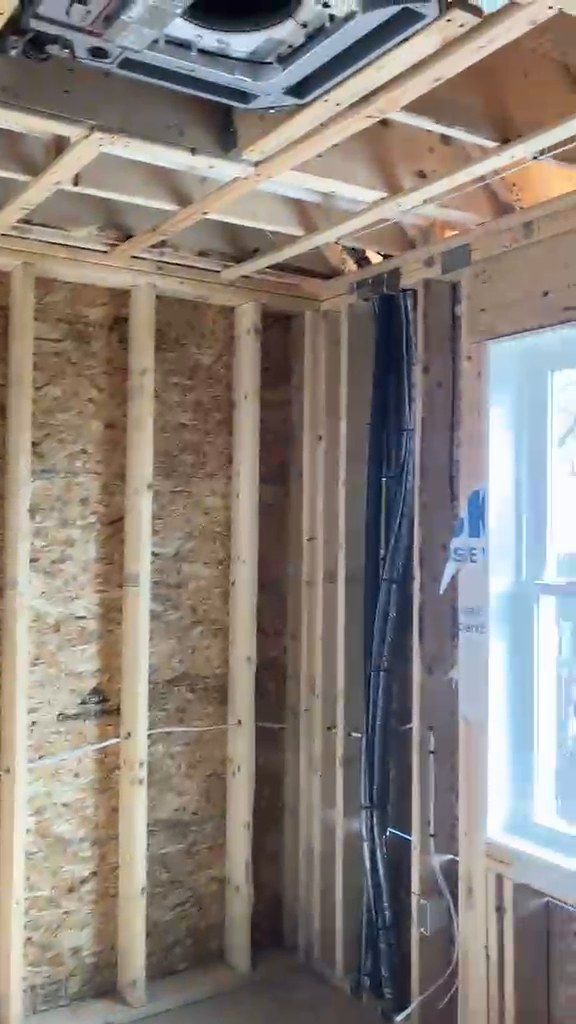
The day your wall gets wrapped, taped and flashed is the day that decides whether it stays dry, and it is the one day of the whole job nobody ever sees. Once the siding is on, you cannot tell from the street whether the kick out flashing is behind it, which is why you get to look at the wall while it is open, and why rotten sheathing is priced and shown to you before anything covers it. Trim, corners and caulk go on last. Caulk finishes a job. It does not hold one together.
One crew from the foundation to the final piece of trim. See everything we do.
Replacement and new openings. Correctly sized, shimmed square, sealed and trimmed so they still open easily in ten years.
See windows and doorsTear off and re roof, or new roofs on new builds. Asphalt shingles, ice and water shield, proper ventilation at the ridge.
See roofingBaseboard, casing, crown, stair parts and built ins. Finish carpentry is what people run their hand along, so the joints have to be tight.
See trimmingFree estimates, commercial and residential, across Massachusetts and Rhode Island.